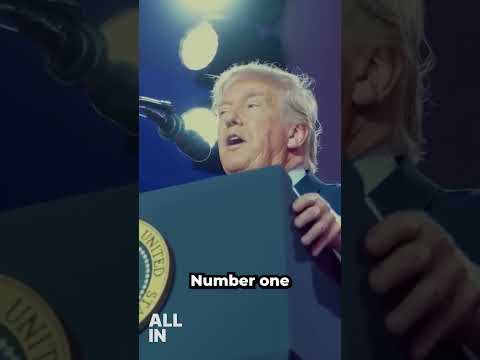
Inside America’s AI Strategy: Infrastructure, Regulation, and Global Competition
Ask about All-In Podcast
Episode Description
(0:00) Introducing David Sacks and Michael Kratsios, moderated by Maria Bartiromo (1:21) The cost of infrastructure build-out, energy challenges (12:41) Where AI will be most impactful (22:39) The China Threat, globalization strategy (39:12) America’s entrepreneurial AI outlook
Follow Michael: https://x.com/MichaelKratsios
Follow Maria: https://x.com/MariaBartiromo
Follow the besties: https://x.com/chamath https://x.com/Jason https://x.com/DavidSacks https://x.com/friedberg
Follow on X: https://x.com/theallinpod
Follow on Instagram: https://www.instagram.com/theallinpod
Follow on TikTok: https://www.tiktok.com/@theallinpod
Follow on LinkedIn: https://www.linkedin.com/company/allinpod
Intro Music Credit: https://rb.gy/tppkzl https://x.com/yung_spielburg
Intro Video Credit: https://x.com/TheZachEffect
Read the full transcriptHide the full transcript
- Great to see everyone and I'm thrilled to be able to talk about the issue of the day and that is artificial
- intelligence and AI in our world. Um David, Michael, I'd love you to talk about what where we are right now in
- terms of the pursuit to be the number one uh lead AI country. How are we doing, David?
- >> I think we're doing great. Um Maria, last year uh President Trump gave a major AI policy speech. is in July and
- he declared that the United States had to win the AI race. Uh he he had first of all declared that we were in one. Uh
- and I think his speech was reminiscent of when President Kenny declared that we were in a space race and had to win that
- race. I think since then what you've seen is that American companies have only innovated more. You're seeing all
- sorts of really incredible products being released all the time. I think that um American uh uh AI models, chips,
- um data centers only just keep um getting better and better. And so I feel very good about the American position in
- this AI race. Certainly we have some very uh you know competent uh and formidable competitors. Um China
- obviously has a lot of very smart people working in this area. But I do think that uh just what you see from uh
- American companies in Silicon Valley right now is really incredible. And yet there are still so many questions about
- all of the spending underway uh to build this out with regard to data centers. And of course the question keeps coming
- up are we spending too much. Will we get the return on investment? How do you see
- that? >> I I think that we will. Um I think that the reason why you're seeing this huge
- infrastructure buildout is because the demand is ultimately there. I I know a lot of people worry and about whether
- this could be like a dot situation. And remember where we had the whole fiber build out in the late '9s and then we
- had a doc crash. The difference here is that uh in the late '9s and early 2000s we had a a problem known as dark fiber
- where you had this fiber buildout and then it didn't get used. There's no such thing as a dark GPU right now. Every GPU
- that's being put in a data center is getting used. Uh and it's being used to generate tokens and that's to power the
- this new generation of AI chat bots or coding assistants. uh and there's just been some releases in the last couple
- months on the coding front that you know it's if you're following what develop software developers are saying they're
- saying it's mind-blowing it's completely revolutionizing their industry so demand
- for tokens just increases and that increases the demand for this data center buildout that we're seeing so I
- don't think it's going to stop anytime soon and just last year this infrastructure buildout added about uh
- 2% to the GDP growth rate and I and that's what helped propel us to this you know four to 5% % growth rate and I
- think you're going to see something similar this year. >> Well, it is certainly leading growth,
- Michael. Um, and I'm so happy to be able to get this conversation going with both
- of you who are really leading this. David, thank you. And Michael, thank you. Same questions for you, Michael.
- Assess where we are right now on AI. >> I I think just a reminder for the group for those who haven't been tracking as
- closely as we do every day. The the plan really had essentially three pillars and
- it talked about how one, how can the US continue to out innovate our competitors? two, how can we drive the
- infrastructure build that we need to support um this this AI revolution? And three, how do we actually share with the
- world or export our great American technology? And for each of those three pillars, there was quite a lot of
- actions that the federal government has taken to drive that forward. Um, and I think I think we're pretty proud to say
- that we've made, I think, pretty good progress on on all three. Um just focusing a little bit on the innovation
- one you were talking about earlier. I think the the the the the core um insight that we've always had about how
- you drive this innovation is you have to have a regulatory environment that allows this technology to be developed
- and ultimately commercialized in the United States. And the US has done a great job compared to the rest of the
- world on sort of setting that up and creating a framework that works. But we can always do better and improve it. And
- the president in his his speech in July talked a lot about um this issue of a patchwork of state regulations and how
- can we ensure that there aren't 50 different rules around AI and and what's most what's most important about this
- debate which I I think a lot of people sometimes don't sometimes miss is the patchwork is actually most detrimental
- to early stage young companies and entrepreneurs. If you want to develop a new AI technology, if you want to build
- something on top of one of our great frontier models, having to figure out how to navigate 50 different rules
- across 50 different states creates a lot of friction and ultimately the big guys
- are the ones that can succeed in in that environment the best. Um, so we're spending a lot of time trying to think
- about how can you create a legislative proposal that can actually um deliver on um a sensible national framework to
- solve to solve this regulatory issue. So, so what would you say then, Michael, are the basic frameworks that are uh
- sort of must-have in in that kind of federal oversight? Because some states did push back in the US and say, "No,
- no, we want to be able to control our destiny when it comes to AI." What's most important when you look at that
- framework in terms of um a federal oversight? Yeah, I think in the executive order the president signed in
- in December directing us to kind of work through this proposal, he listed a few things that um the state should continue
- to be able to pursue individually on their own. Um legislation or rules around child safety was on that list. Um
- the rules around permitting of data centers and buildouts are continuing to be something that states should should
- look at. So there are a few things that were enumerated, but that's the kind of stuff that I guess Dave and I are going
- to be working through. I don't know if you have any thoughts on on that. Yeah, I mean I I think the the basic problem
- that we have is that I mean frankly the states are going hog wild right now with
- regulation. There's over,200 bills going through state legislatores right now. I
- think it's very much a knee-jerk reaction. I know there's a lot of fears and concerns about AI, but it seems like
- for every hypothetical concern, there's um multiple state bills now to try and regulate that thing before we really
- know how it's going to play out. And um I think it would be better to I think since this technology is so new and the
- environment is so dynamic, I think it'd be better to spend a little bit more time studying how AI is actually being
- used and what risks are actually materializing before you overregulate the thing. But in any event, that that's
- the what we're seeing right now at the state level. And um and and I think that the president's been very consistent
- that it would be better to have a single have one rule book, a single rule book at the federal level, lightweight
- federal standard. Uh I think this problem is only going to get more acute over time because again you you as you
- have 50 different states running in 50 different directions, the patchwork problem only gets um more significant.
- So, in any event, this is something that we're going to work, I think, closely together on this year, which is to see
- if we can get enough consensus on a federal framework to enact a law. Only Congress can ultimately cramp the
- states. We understand that. Um, and you know, as you know, it's very difficult to get a bill through Congress. You need
- 60 votes in the Senate. So, has to be bipartisan to to a certain degree. So, but we're going to try and see if we can
- um work to get that consensus. >> Yeah. And do you have any clarity on the timing on that in terms of um support in
- Congress for a federal oversight or do you see push back there as well depending on the state you're talking
- about? >> Well, there's push back in Congress to the idea of preeemption without a
- federal standard. So, in other words, you can't replace something with nothing. This is sort of the the thing
- that we heard uh repeatedly. But I think there is uh quite a bit of interest in both the House and the Senate towards
- having again some sort of lightweight federal standard. But we're still in the early stages of those conversations and
- we're going to see what we can try and get done this year. >> Meanwhile, you've got some people
- pushing back after wanting to see the innovation and growth of data centers. Now they're saying not in my backyard.
- What about that? Is that an issue? >> Yeah, I mean we got a letter recently from Bernie Sanders saying stop all data
- centers, all data center development. And you know if we do that we will lose the AI race. I mean you do need this
- infrastructure. Uh other countries are building out this infrastructure. China's building out I think they're um
- spinning up a a new uh nuclear power plant or um or coal plant new energy every single week and a lot of that is
- going to power their data centers. So it would fundamentally I think uh the United States in the AI race if we
- just stopped building data centers altogether. At the same time, there are concerns about affordability, about um
- whether consumers would have to pay a higher electrical rate because of data centers. Uh President Trump's been
- really clear that consumers should not have to pay higher rates for electricity because of data centers. You saw just
- last week Microsoft stepped up and made a pledge that it will that its data centers will not cause residential rates
- to increase. I think you'll likely see other tech companies stepping up and making similar commitments. And in fact,
- when I've talked to the hyperscalers and when I've talked to the AI companies, it
- was never their plan to draw off the grid. They all are uh saw standing up their own power generation as part of
- their buildout. Um and what Secretary Wright, the our Secretary of Energy has been doing is trying to um is is reform
- the regulations that actually make it more difficult for these AI data centers to stand up their own power behind the
- meter. So that basically is is our vision is let and and I should say this is President Trump's vision really since
- the beginning of the administration is he said let the AI companies become power companies let them stand up their
- own power generation as they built you know side by side with these new data centers and the um the result of that is
- you know a we get this infrastructure b residential rates don't go up. Yeah, because Michael, this this race has fast
- become it's moves from an AI race to a power race. >> And and I think what we're seeing is
- that um we we need to share a good story about how ultimately this buildout is going to be net positive for American
- rateayers. And I think sometimes if you know and if you're in a small community and someone shows up to build the data
- center, I mean, you have to make it clear that ultimately this something is going to actually lower your your rates
- long term. Um and and the president put out a tweet a truth last Monday where he
- was as as David said very clear that you know if you're going to build a data center you have to pay your own way for
- it and um Microsoft has stepped up and our our hope is that many others will do the same.
- >> But but some companies um because they don't have the cash right now are borrowing money right to to build out
- the data centers and there's also a worry that the banks will be left holding the bag for some of this because
- again the spending is is too much. your thoughts on that? >> Well, I think there there is obviously
- that concern. I mean, you you know, I I think it's it's um it's less I would say
- the banks are more you see Oracle making a huge investment. You see, uh Blackstone making huge investments, real
- estate companies. Um ultimately, I think these are very savvy market players, very deep companies, and they're doing
- this because they see an ROI there at the end of the the rainbow. Um can I make one other point about just the the
- data center? So, um, just on electricity, uh, I actually think that if we allow the data centers to stand up
- their own power generation, it will actually bring down rates. Not only will it not increase residential rates, it'll
- bring it down. And it'll do that in two ways. One is that the data centers can can give or sell power back to the meter
- when they have excess. So, that will help bring down rates. Second, there's a lot of fixed costs involved in power
- generation. It's not all variable. So when you're able to amortize those fixed costs over a greater supply, you bring
- down the meter rate for everybody. And so there's huge economies of scale. So the more scale you get in electricity,
- like most other things, the price comes down. That's what So it's actually a good thing that the uh that we have this
- buildout going on because it will ultimately reduce prices for consumers. But we do have to make sure that these
- new data centers aren't just plugging into the grid and using, they have to be contributing back.
- >> And I think what a great policy change has made under this administration, the
- the B administration had as a matter of policy had made it such that you couldn't do this behind the meter energy
- generation. Um, and if you wanted to bring your own power, you couldn't. You had to be part of the larger grid. So I
- think um that rule has has changed uh uh by by Secretary Wright and by FK to kind
- of allow this to happen. And ultimately I agree with David. I think once you have sort of greater scale in in the
- power generation, you'll be contributing back into the grid in a way that that benefits rateayers.
- >> Let's go back to the uses and how AI is changing our lives. You you mentioned
- earlier um all of the uses and and and the impact the AI is having. What do you see as the most important use and where
- AI is being deployed and implemented best right now? >> Well, it's interesting. I think it
- there's been an evolution. So I think we started with you know AI chat bots like
- chatgpt and in a sense that was kind of like better web search. Um it was really
- great for research asking it questions and give you answers to anything. Then we saw um we saw models add chain of
- thought and they could start to do you know deeper reasoning. Then we saw coding assistance. This is really and
- and I think over the past few months there's been a real breakthrough. If you talk to people, software developers, it
- really seems like there's been, you know, a major shift in in just improvement in the quality of the coding
- assistants. And I think where that's going next is um tools for knowledge workers. So the same types of assistants
- that have been outputting code can now output any type of format. So whether it's like Excel models, PowerPoints,
- websites, you name it, knowledge workers are now going to be able to generate all
- these different types of things the same way that coders have been gen that software developers have been using AI
- generate code. I think that's one of the big things you're going to see in 2026 is again just this um this productivity
- boom for knowledge workers. So I think that's like one of the things you're seeing on the ground. And then
- separately there's there's a bunch of things happening in industry verticals. So different industries being impacted
- by AI. So in healthcare I think there's a tremendous opportunity uh to improve um or to to reduce sort of
- administrative bureaucracy to uh to improve this um processing of paperwork that happens. also to use uh AI and
- medical and scientific research to help find new uh cures. You're already seeing
- users tell all sorts of stories about uh diagnosis. They've been able to put in their medical records into chat GBT or
- you know other chat engine or chat bots and get like remarkable results. They've
- been able to you know finally figure out what was you know what what was wrong with them and they've been able to take
- that to a doctor. You have doctors using it too. So medical I think is a really interesting area but there's a whole
- bunch of these um examples of different different industries are now being impacted.
- >> The the one area I think a lot about is is AI for science and and back to to to
- David's initial point about the progress we've seen these frontier models. I think the very early ones sort of
- started with just general knowledge and you have to go back and understand like why and the question was what was the
- data available for those model builders to start training their models and for the early ones you could just scrape the
- internet and just kind of cram everything into a model and train it and and that's where you kind of had this
- this first phase of of large language models and the second one was coding and if you think about how do you get a
- really good coding model you again you have to trade it you have to train it on existing code and that's again something
- that is you know relative atively easier to to acquire than other types of data and you saw great progress and jumps in
- in the coding models. I think the the third big sort of shift that hasn't really been touched on yet which the
- government itself is trying to do a good uh push on is the AI for science question and why it's so challenging for
- scientific discovery to like tie in with the way that LMS are are traditionally trained is that the science data is
- extraordinarily fragmented and it's not done in a way or formatted in a way that
- um can easily be applied to a large language model sort of like training run and if you think about scientific
- discovery it's spread out across so many different disciplines. You have chemistry data, you have math data, you
- have material science data and all of that is is all types of different formats. And our effort in
- administration um we launched something called the Genesis mission which are is our attempt to sort of make these big
- bold leaps in AI for scientific discovery. and our national labs at the Department of Energy are have been doing
- incredible research over the last you know 50 60 years and all of that has is sitting and is ready to be used to be
- trained for for for these models. So my hope is that over the next year we're going to see a lot more work in this in
- scientific discovery to be able to actually accelerate how quickly we can choose which experiments to run, run
- those experiments, go back and figure out what we did wrong and run them again. And and this ties in with lots of
- interesting ideas that people have around some of these AI labs where you essentially have you can put in the the
- the thesis or the hypothesis and ultimately these labs can do lab experiment itself and move forward. So
- that's kind of the dream that I have that that ultimately we as a country can can almost double our our R&D output
- over the next 10 years because of AI. >> So so what kind of breakthroughs um would you expect or would you like to
- see? Yeah, I I think there um the ones that I think can make a big impact are uh first the the the the experimentation
- and training runs around fusion um are extraordinarily computationheavy and they themselves if we can if we can
- have a a a faster feedback loop on how we do these these simulations for fusion we can move the timelines in for fusion.
- So that could be a big a big step. Material science is also a very a very big area where you want to be able to
- test all types of of different molecules and how interact with each other. This is important for all the big things
- we're trying to do in space. Whether it's our lunar base or getting to Mars or bringing nuclear energy to space,
- having advanced material science is important. And the third is one that everyone always cares about is is
- healthcare and and therapeutics. How can you more quickly be able to identify the
- the best molecules to solve a particular particular health challenge? and how do
- you more quickly iterate to a point where you can move to a to a clinical trial >> and on a everyday level I mean you also
- have the auto sector I think as a big beneficiary here I think that's one area that seems to be spending a lot on this
- as well you agree with that >> well I mean with like self-driving or >> I mean self-driving for sure is going to
- be huge it feels like we've hit some sort of new inflection point there where the quality's gotten to the point where
- you're starting to see robo taxis now Whimo and Tesla. Um >> what what about an AI assistant? I mean,
- is that going to be something that is sort of common place? I someone said to me the other day that oh, in China we're
- doing things so much differently because you're using AI for research as as you said, but we're using it as I have my AI
- assistant and I'm um you know, they're paying my bills and cleaning my house and buying my wife a birthday present
- and and doing everything for me. I I think so. I think that'll happen probably this year. So the the product
- that just came out recently that everyone's kind of going crazy over is the latest iteration of flawed code uh
- which is uh powered by uh anthropics uh opus 4.5 model which seems to be a real breakthrough in in in coding and so
- again this is you know the software developers are really imp impressed with it but in inside of cloud code they had
- they introduced a new tab called co-work again you can as a non coder uh or as someone who is looking for um
- to create output other than code, you can now use it to uh to basically create all sorts of other kinds of outputs.
- Like I mentioned, you can do uh spreadsheets or powerpoints, things like that. And you can have it, you can point
- it to your file drive and it can look at the work you've already done. So if there's a particular type of format for
- a PowerPoint you like, you just point it to the work you've already done and say
- I want to do you know a new um you know presentation but using this style but on
- this topic and it'll actually emulate you know your style and and the work your format the work you've already
- done. And um people are very impressed with this and you can also point it at your email and have it analyze your
- email pull things out of it. So it right now it's very taskbased. You you the user have to prompt it for each task.
- But you can see there the beginning of a personal digital assistant where you connect it to your file drive to your
- email to all of your data sources and it can start to do tasks for you and again
- it understands the format and the style that you like to produce work in. So, it
- feels to me like we just need one more layer of abstraction on top of a tool like that and you'll have your own
- personal digital assistant >> and um you know there'll be like a voice interface. You ever seen the movie Her
- you know with uh walking Phoenix and um I think Scarlett Johansson is just the voice but uh you know he's telling her
- what what to do through an earpiece. I mean we're very close to something like that. I mean, I'm not saying that, you
- know, the AI is going to become sensient or whatever, but um but no, we're like I
- think in 2026, you could see that that these types of of tools again started as coding assistants, but now they become
- personal digital assistants. That could definitely happen this year. >> Michael, what what don't people
- understand about AI? What what do you think is most important for us to understand about the innovation underway
- right now with science and and AI? I I think some people I I think it's easy to underestimate the the long-term impact
- this is going to have across so many industries and and domains. Um I think very much, you know, it's easy to to to
- quickly think about AI as a as just a sophisticated chatbot because that's what most people interact with every day
- and and that's what they they they touch and feel. Um, but I think that to me I think the long-term impacts and not to
- keep harping on the science, I think there is a there's a a real fundamental shift happening in the velocity and pace
- that we can test and uh and evaluate and execute scientific discovery and endeavors. And I think I think that's
- going to have huge repercussions for the way that we as a country innovate broadly speaking in the years ahead
- >> which is why we're watching what China is doing. Let's talk a bit about China
- and where it is relative to the United States. Are we winning? Is it about chips? What's the race specifically
- really about? >> Well, I I I think that in general we're ahead of China. There's different layers
- of the stack. So, you've got the the the models, then you've got the chips, and you know, then you've got the chipm
- equipment, you know. So, you go down the stack. I would say that the deeper in in
- the stack that you go, the greater the American advantage. Um I think on models most people would say that we're our
- models are maybe 6 months ahead or so plus or minus of the Chinese models. You look at chips maybe 2 years ahead. You
- go to the semiconductor manufacturing equipment it could be like 5 years. So the US does have sign significant
- advantages there. There's only maybe a couple of areas where I think China has has an advantage. Um one is on energy
- production. And if you look at the their grid, their grid has roughly doubled in
- the last 10 years, whereas ours has only grown by about 2 to 3%. Energy production in the US has been a
- relatively sleepy industry before AI came along. And a lot of that had to do with regulations and the antipathy of
- the previous administration towards energy production. Obviously, President Trump had a very different view on this.
- I think he was preient on this issue. you go back 10 years and he was talking about we got a drill baby drill and um
- and I think he understood that energy growth was the precondition for economic growth and it's definitely the pre
- precondition for this uh AI infrastructure growth. So this is an area where again we have to basically
- expand our energy production um and I and and and so I think that is an area where we need to catch up. The other
- area where I would say, you know, I I don't know if I would call this an advantage exactly, but if you but you
- could argue that China has the edge in what is what's being um called AI optimism. So there was a a
- polling done by Stanford across countries and they asked the citizens of all these different countries uh do you
- feel that the benefits of AI will be more beneficial or more harmful? And if if you thought that it that overall be
- more beneficial than harmful they call that AI optimism. Well in China AI optimism was 83%. So 83% of the
- population feels that it's being more beneficial than harmful. That number in the United States is only 39%.
- So for some reason people in China are more optimistic about AI than in the United States and you generally you
- generally see this that uh Asian countries are very high on AI optimism in the western countries are lower and I
- think it's a interesting or open question about why this is. I think there's a few possible explanations for
- it. I I think that um first of all, the the media tends to focus on the doom and
- gloom stories with with AI, >> the fear, >> the fears. Um and we can talk about some
- of those fears and uh and and how, you know, whether we think they're they're real. Um but I think the media has a lot
- to do with it. I think that the the way that Hollywood has portrayed AI over the
- decades, you know, with whether it's the Terminator or 2001, uh has you has portrayed this dystopian view of the
- future. And I think that plays into fuel's thinking. And then frankly, I would say that part of the the fault
- lies with our tech leaders who haven't necessarily done a great job describing the benefits of AI. In fact, when
- they're talking about, you know, AI eliminating 50% of knowledge workers, that doesn't sound like a, you know,
- very utopian scenario. That sounds dystopian to most people. And so I do think that unintentionally some of our
- tech leaders have played into this um AI pessimism. And the reason why I think this could be a disadvantage for the
- United States is because again it's feeding into this regulatory frenzy we're seeing again 1,200 bills at the
- state level. And right now I think you know we are winning this AI race. We're ahead in all the key dimensions chips
- models and so on. But we could shoot ourselves in the foot, you know, if we end up overregulating this thing to to
- death, we could actually cost ourselves this AI race. So, I do worry about this question of AI optimism,
- >> right? It's a great point. And how what would happen if the US is not number one
- in this, Michael? >> Yeah, I I I think we we need to be and that's why we put put the plan out. I
- think you know when I think about the the China question and about the the sort of larger question of how do we win
- the AI race what always what I always like to think about is this question of adoption and I think sometimes there's
- this overemphasis on the leaderboard it's like which frontier model is number one on some sort sort of metric and the
- reality is we're neck and neck and as David said we're probably had you know six to 12 months on our frontier models
- but I think what we have seen over over time and over history is that um you don't necessarily need to have the very
- best model or very best piece of technology in the world for it to perforate globally. And a lot of us who
- were part of the first Trump administration saw this very firsthand with the telecom wars of that era of
- what Huawei was able to do globally. And at the time when when Huawei first started their their sort of global
- export push um they certainly were not the very best technology in the world. They were current they were certainly
- you know you know subpar compared to to Ericen and Nokia. that they were good enough and they were subsidized enough
- such that they became sort of the default telecom um system for a lot of the world and we've learned a lot of
- lessons from that and we take that very seriously. When it comes to AI, we know there's ambition for the Chinese to
- export their models and have them be the models that are powering all these different use cases across across the
- global south and across the rest of the world. Um, that's why the president launched something called the American
- AI export program and our mission and I think we're in a very lucky position here compared to what we're dealing with
- with Huawei is as David said, we are dominant in almost every part of the stack. We have the very best models. We
- have the various applications. We have the very best chips. So, we are in a position of power now and is up to us as
- a country to share that technology with the world with all of our partners and allies. make sure that any developer
- anywhere in the world that wants to build a new application using AI is using is fine-tuning an American model
- on top of an American chip. And that isn't that isn't a a hard reality to see. That is something that I think we
- can very easily do just because we have the very best tech. That's a program that um we launched last late last year
- and we're doing a big push this year to get that get that out the door. >> It's an important point that you make in
- terms of exporting AI to the rest of the world. Is it true that China is telling
- its companies don't use American chips, don't use American AI right now? >> It it it seems so. Um I mean China is
- developing its own models. Obviously about a year ago you had the Deepseek moment where you you had a powerful
- model released by Deep Seek and I think that kind of put Chinese uh AI on the map in a way. I think people in the west
- didn't realize you in a way how good China was at producing models and there was a little bit of complacency
- uh towards our relative position. People weren't really talking about the global
- competition two years ago. It wasn't really discussed at all. Uh I remember when you know the Biden administration
- created this you know 100page Biden executive order regulating AI. No one was talking about whether this might
- slow whether all this regulation would slow us down. Visa v China wasn't even part of the conversation. Then Deepseek
- launched and I think we did realize we're in a global competition and we have to win and that's why we have to
- actually be quite careful about how we regulate this and not make sure we're not overregulating it. But I think you
- know China definitely wants to compete. Um there have been some stories recently
- I think uh Bloomberg and Reuters reported that they actually are not allowing Nvidia chips into their country
- and the reason for that we think is that they want to indigenize chip production.
- They want to stand up Huawei as their national champion and effectively they're creating a market subsidy for
- Huawei by keeping out the competition. So, they're protecting their market to stand up Huawei. And I think their plan
- would be to have Huawei dominate chips in China first and then use that to scale up and then try to take over the
- rest of the world. Chip production is a scale up business. So, you know, if they
- can dominate the Chinese market first, that gives them a powerful platform to then proliferate to the rest of the
- world. >> So, so where are we in that, Michael? I mean, first you all came up with the AI
- action plan, then came up with another plan in terms of exporting AI to the rest of the world. What can you tell us
- in terms of where we are in that? >> Yeah, so the the progress is is moving on that. We um we closed a request for
- information from the commerce department late last year, which went out to industry and said, "Hey, if we want to
- export the American AI stack, what should we be thinking about? How should we be designing these packages that we
- share with the world?" Commerce is now ingesting that that information. There'll be a request for proposals that
- comes out very shortly. And that's where we actually want companies to come together to form consortia and say like
- look this is what a package looks like. And I think what um you know what what people need to sort what I always try to
- remind people is that the the the the buyers of AI around the world um vary quite dramatically in their level of
- sophistication. So in the US, if you're a very sort of, you know, if you're a Fortune50 company and you want to deploy
- AI, you have a pretty sophisticated sort of CIO or CTO shop, you are thinking very carefully about like which cloud
- you want to buy, which potential model you want to use, do you want to fine-tune it on your own data? Do you
- want to build your own application? You know, what application you go and see? You can like test various things. You
- like go to all these third parties and evaluate which is best. And it's a very sort of complicated mix of how you end
- up creating something that's optimum for your particular company. for a lot of countries around the world that are
- aspiring to to use AI for their people or to support the services whether it be health care or um you know tax
- collection or whatever it may be um you know they don't have a a you know billion dollar IT budget you know
- they're just trying to figure out what is a tool that I can use in my country to deliver the benefits of AI to my
- people so we think very carefully around how can we craft solutions which you know turn keys could be one way to put
- it or how do you how do you provide a solution that can easily be deployed in a country and what's often you know what
- often sort of gets caught up in this debate is this question of you know how many chips is the US going to be sending
- around the world and and what I always try to remind people is that you know outside of the US China and maybe a few
- other countries most countries around the world do not have the capital or the aspiration to do largecale training runs
- or development of their own frontier models there are very few countries around the world that are going to build
- sort of colossus style training centers most countries around the world need smaller data centers that just have
- inference related chips that can drive and and and do the you know do the inference on on the particular um runs
- that the government wants to have. So I think what we're working very hard to do
- is is is create sort of these these these turnkey manageablysized AI solutions that then we can partner with
- a lot of our export finance organizations like Development Finance Corporation or the Export Import Bank to
- make the export of that particular stack much more appealing and commercially viable in countries that are not
- extraordinarily deeped. Um so we're going to be in India next month for the India um AI impact summit. Um, this is
- sort of the largest global gathering for for AI folks. Um, and we're going to be
- sharing a lot more on on the progress of this uh of this program there. >> You want to weigh in?
- >> Well, I just just to build on that. I think people sometimes ask, you know, h
- how do you how will you know if if you've won the AI race, you know, with with with China with with other
- countries and I think there's a very simple answer to that which is market share. You know, if 5 years we look
- around the world and we see that it's American chips and models are being used everywhere, well that means we won. But
- if in 5 years we look around the world and it's Huawei chips and Deepseek models, then that would be very bad,
- right? That would be a bad sign. That means that we lost. So I do think that the proliferation or diffusion of
- American technology is really critical to winning this AI race. We know from Silicon Valley that the companies that
- end up becoming huge are the ones that create ecosystems. It's the, you know, you you you as a technology company, you
- want to have the most apps in your app store. You want to have the most developers writing on top of your API.
- You want to be a platform company. And so in all these technology races, biggest ecosystem wins. And we want to
- have the so that's basically why I think this program is so important is we want
- to create the biggest ecosystem. Now this is not only about benefiting the US because in order to have a successful
- ecosystem you have to create value for your partners and that's really important like Michael's saying not
- every country is going to be on the cutting edge of developing its own chips or developing its own frontier models
- but they can use these tools to derive value to apply them to their businesses to their economies to extract value and
- be part of this technological revolution. So I think that you know we have to think in this with this partner
- mindset and I do think that this this type of mindset is actually very common to Silicon Valley. Like I mentioned I
- think every great technology company thinks in terms of how do we get the most people on top of our tech stack but
- it is a form of thinking that's pretty alien to the bureaucracy in Washington which has much more of a command and
- control type of mindset. Y >> and when President Trump came into office, just give a couple examples of
- this, the regulations that were sitting on our desk that had just been handed down by our predecessors, again, we had
- this 100page Biden executive order on AI that was all this new regulation and there was a 200page
- uh was called the Biden diffusion rule, which was 200 pages of regulations uh on the export of semiconductors. So
- we were turning the the AI industry models and chips into a highly regulated industry. That was that was basically
- the direction that Washington was going in. And the first thing President Trump did his first week in office was rescend
- all of those unust regulations which I think was absolutely critical. You know the thing that really makes Silicon
- Valley special is this concept of permissionless innovation. you know, since um Hulin and Packard started 85
- years ago, started building Silicon Valley, it's it the idea has always been that just a couple of founders kind of a
- great idea start their company, they get some angel investors to write, you know,
- a check for, you know, seed capital. Those investors think they're probably going to lose their money, but they
- figure there's a shot. and you know and it's so it could be the two guys in their garage or it could be the college
- dropout in the dorm room and they don't need to go to Washington to get permission for their idea right it's
- permissionless innovation that's what's has made Silicon Valley the crown jewel of the world it's why so many of the I
- think heads of state who are here are always asking how do we create our own Silicon Valley that was not the
- direction we were on when President Trump came into office the new 300 pages of regulations concerning AI the Biden
- administration left us with would have changed this um environment of permissionless innovation to an
- environment of you have to go to Washington to get approval for your idea and I think that President Trump really
- corrected that and since then we've been implementing you know his AI action plan
- uh which is all about you know pro innovation pro infrastructure pro energy and pro export so it's been I think a
- total change and I think just in the past year you've seen the results of that >> and I think what one thing to to add
- there Um part of the the international uh agenda that we have on AI is one obviously let's let's do the export but
- the other piece is trying to share with all of our partners and allies how you can actually create a regatory
- environment that allows this technology to succeed and here we are in Europe and
- I think many of us that sort of have you know tried to work with technology companies in Europe have have hit sort
- of a lot of roadblocks and a lot of stumbles and no matter you know the drug reporting came out and and he can say
- that there's a lot of issues But things don't ever seem to seem to really change. And I think all of that that the
- the the way that our regulatory structure is is designed in the US and the way that the entrepreneurial spirit
- thrives in the US is something that we try to share with countries all around the world. And I think the the the
- general um knee-jerk reaction for most policy makers around the world is one that moves to a corner that is obsessed
- with the precautionary principle. this concept that every time something new comes out, the role of the policy maker
- is to sort of like sit in a room and whiteboard everything that could go wrong and then design regulations to
- make sure those wrong things, these hypothetical wrong things don't happen. When in reality, what we do in the US,
- what we try to do is sit in a room and whiteboard what rules we can create to actually unlock innovation. What are the
- ones we should remove to allow more innovation to happen? And I think that mindset is something that we constantly
- try to share at all these international fora. The US has you know there has been
- an AB test on what regulatory structure works and what succeeds. You know we've seen how the how how Europe has
- approached this in the last 20 years and we've seen what the US has done. So I think the the recipe is kind of obvious
- but but sometimes we have to just keep repeating it to to our counterparts. And I love the Draghy report because it was
- so clearly uh identifying companies that are in Europe that you know like no Novo
- Nordus is like 350 billion or $400 billion company and in America we've had companies of trillion dollar companies
- Nvidia hitting$5 trillion. So so what is the path to innovation? Well, I I I think part of it is and I I
- I think this is the difference between maybe the American mindset and the European mindset towards this is that
- ultimately the innovation in the United States comes from the private sector. It
- comes from the entrepreneurs, the founders, the innovators, the geniuses with an idea. And I think that the
- government sees its role, at least when it's thinking properly about this, as being an enabler and as just setting the
- rules of the road. um and maybe putting in some guard rails, but basically it's letting the entrepreneurs cook and
- that's how you get innovation. And now I don't want to bash our European host too
- much, but you know the when when the uh when the EU talks about AI leadership, they're talking about the regulators and
- they think their value ad is well, we're going to we're going to show the whole world the regulatory model for AI. So,
- it's kind of a bad case of u main character syndrome where uh you know where like the regulators think they're
- the main characters in this. No, look, the regulators are the supporting players. The main characters always have
- to be the entrepreneurs. It's got to be the innovators. That's how you unlock innovation. When the when you start to
- see yourself, I mean, the the regulators and the policy makers as the as the main
- characters, that's not a great recipe for innovation. And I think just just a minor point on the on the AI stuff in
- Europe that you know the EUAI act which has been so detrimental to to the AI ecosystem here here in Europe was passed
- before chat GPT was even invented and that shows the challenge here. You're you're you're believing that you can
- solve some kind of problem or some you're solving something but the end of the day innovation is moving so much
- more quickly and ultimately that that rule makes no sense now in a world of of frontier models large language models
- and they have to sort of edit it. So, let me push back before we go and ask you to identify any risks or threats or
- downside risks in all of this. What should we be worried about if anything with regard to AI usage?
- >> Well, I I think there are Orwellian scenarios uh of AI that I think we should be concerned about. And again, I
- I tend to think that those scenarios were described by George Orwell, not by, you know, James Cameron and the
- Terminator. And specifically, it's misuse of AI by government. I do think that AI could be used as a tool to um
- surveil, to censor, to even potentially brainwash the population. This is why the administration has taken such a firm
- stance against what it's called woke AI, which I almost think that that name maybe trivializes the magnitude of the
- problem we're talking about. We're talking about AI having a political bias built into it. Um, and it the bias can
- be so subtle that people don't even necessarily notice over time, but it has a huge impact on what people are allowed
- to learn and think and know and what you know children learn. And so I think it's
- very important that we try to make sure that AI was politically unbiased. Um there just in this regard, one of the
- things that we were so concerned about with that Biden executive order on AI that we were sended in the first week is
- that it had 20 pages of language on DEI and it was promoting this idea that AI models need to build in a DEI layer.
- Well, you know, this is how you ended up with, you know, the the the black George
- Washington uh you know, story where that the first version of of uh Gemini came out and it was, you know, it was
- basically rewriting history to serve a current political agenda of DEI. And um you know that that was in a way that
- that that case of bias was so ludicrous that everyone kind of laughed at it. But
- it gives you a sense of what could happen if you start to build the the bias into AI and you know that same you
- know so-called trust and safety apparatus that was starting to be built into social media sites as a way to
- censor and deplatform and shadowban. You could see that being built into AI models as a way to control uh the the
- public discourse in in a very serious way. And I think that, you know, President Trump again just put a total
- halt to that, you know, rescended that. But it was also we also um President Trump signed an executive order saying
- that the federal government would not procure politically biased AI. So look, on a first amendment basis, if an AI
- company wants its AI to be biased in some direction, they probably have a first amendment right to do that. But we
- have as the federal government have the discretion not to buy that software and we've said that we won't. So, I feel
- very good that during President Trump's uh term in office for the next three years, this idea of Orwellian AI is not
- going to be a problem. But I do worry that at some point in the future, if you had a different regime in Washington,
- you know, if the federal government started to pressure AI companies to build in this political bias, that would
- be a very serious threat, I think, to to our freedoms. It's a it's a great point
- to make. Before we wrap up real quick on jobs, can either of you explain what Elon Musk is is saying about the impact
- of AI said we're not going to need to work. You know, the the AI AI is going to do it all. I I just I'm trying to
- understand what he's saying that it's we're going to go on holiday. Um jobs are going away and AI is going to do
- everything. Well, Elvon's a friend of mine and um I'll I'll uh I I'll disagree with him slightly on this, but um but
- but let me just the his comment about the the job loss obviously is what gets all the
- headlines, but at the same time he's saying that he's also saying that in this future there's going to be so much
- abundance that everyone's going to have what they want and there's not going to be any money. So people people leave out
- that part of the story and they just report Elon says everyone's going to lose their jobs. No, we're talking about
- a radically different future. It could be the future. It's kind of described in Star Trek, you know, where like there is
- no money because we have everything. Look, I I think that, you know, Elon is directionally correct about the future.
- I think we are heading toward toward uh towards a world of much greater abundance, rising living standards for
- everybody, greater productivity. I think that will lead to rising wages. I don't
- think it's going to put everyone out of work. I don't think that's going to happen. Uh but again, the timelines
- matter a lot. And you know, getting to a world with no money is not something that's going to happen in the next 5
- years. >> And of course, Michael, this is helping us um in terms of longevity and living
- longer, right? In terms of the impact on science. >> Totally. I think generally the the
- abundance story extends itself well into into, you know, health care and everywhere else that and and just
- quality of life. So, good things ahead. I think >> we'll leave it there. Michael Katzios
- and David Saxs, thanks so much. >> Thank you.
Brief Summary
David Saxs and Michael Katzios discuss the U.S. AI race, regulatory challenges, and AI's impact on industries like healthcare and science.
Key points
- Infrastructure Buildout. The significant infrastructure buildout is contributing to GDP growth.
- Federal Oversight Challenges. Navigating 50 different state regulations complicates AI development.
- AI in Healthcare. AI is transforming healthcare by improving diagnosis and reducing bureaucracy.
- Genesis Mission. The administration's initiative aims to enhance AI for scientific discovery.
- AI's Potential for R&D. AI could nearly double the country's R&D output in the next decade.
- The Rise of Personal Digital Assistants. We're nearing the development of personal digital assistants powered by AI.
Episode highlights
- Infrastructure BuildoutThe significant infrastructure buildout is contributing to GDP growth.“This infrastructure buildout added about 2% to the GDP growth rate.”2:37Jan 22, 2026
- Federal Oversight ChallengesNavigating 50 different state regulations complicates AI development.“The patchwork is actually most detrimental to early stage young companies.”4:21Jan 22, 2026
- AI in HealthcareAI is transforming healthcare by improving diagnosis and reducing bureaucracy.“Users tell all sorts of stories about diagnosis using AI.”14:42Jan 22, 2026
- Genesis MissionThe administration's initiative aims to enhance AI for scientific discovery.“Our effort in administration... is our attempt to sort of make these big bold leaps.”16:32Jan 22, 2026
- AI's Potential for R&DAI could nearly double the country's R&D output in the next decade.“We can almost double our R&D output over the next 10 years because of AI.”17:19Jan 22, 2026
- The Rise of Personal Digital AssistantsWe're nearing the development of personal digital assistants powered by AI.“We’re very close to something like a personal digital assistant.”21:30Jan 22, 2026
- AI Optimism DisparityA stark contrast in AI optimism exists between China and the US.“AI optimism in China is 83%, while in the US it's only 39%.”25:16Jan 22, 2026
- America's AI AdvantageThe US holds a significant advantage in AI technology and models.“We are in a position of power now with AI technology.”28:52Jan 22, 2026